- solar panel cleaning
- Pretoria
- maintenance
- Highveld
How often should you clean solar panels in South Africa?
Highveld dust, pollen, and bird droppings quietly cut solar yield. Learn a practical cleaning schedule for Pretoria and Gauteng homes — and when to call a professional crew.
Izak vN
Operations Director & Founder
· 2 min read
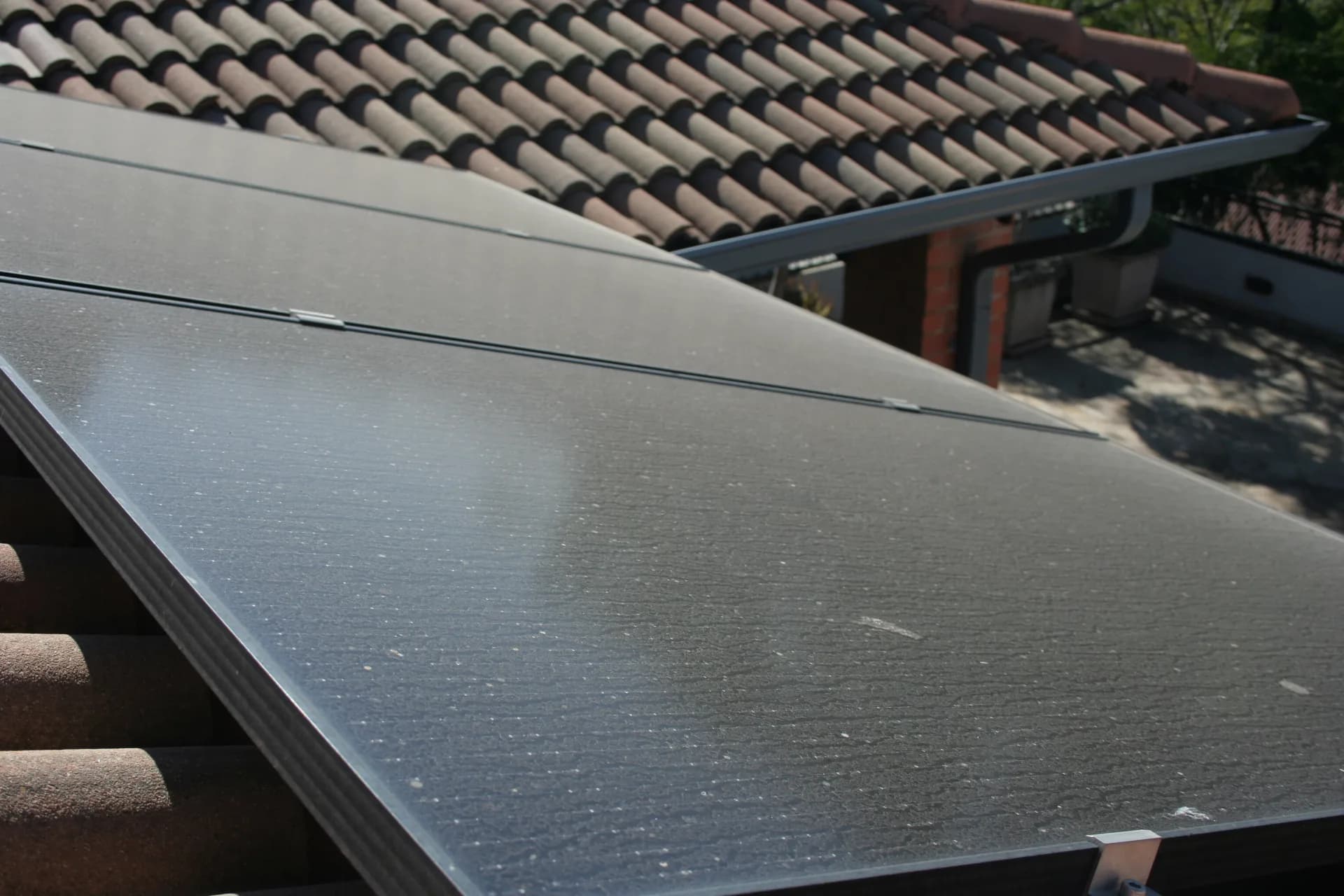
If you live in Pretoria, Centurion, or elsewhere on the Highveld, your panels work harder than systems in milder climates. Dry winters, wind-blown dust, and the occasional sticky bird deposit all leave a film that reduces light reaching the cells.
There is no single calendar that fits every roof — but there is a practical range most Gauteng homeowners should plan around.
A realistic baseline for Gauteng
For most residential arrays in Pretoria and greater Gauteng, we recommend a professional clean every 3–6 months, then adjust based on what you see and what your inverter tells you.
| Environment | Typical interval | Why |
|---|---|---|
| Suburban Pretoria / Centurion | 4–6 months | Dust builds steadily; rain helps but rarely rinses glass clean |
| Near construction, unpaved roads, or farms | 2–4 months | Extra particulate settles faster |
| Heavy bird activity or under trees | 2–3 months | Droppings and pollen stick and shade cells |
| After a dust storm or long dry spell | As soon as practical | One event can undo months of gradual soiling |
Rain is not a substitute for cleaning. Soft Highveld showers often leave mineral spots; they rarely remove baked-on dust the way purified water and soft brushes do.
Signs it is time sooner
- Output drop you can measure — Compare recent generation to a similar sunny week last season (weather apps and inverter history help).
- Visible film or mottling — Stand back from the array on a bright day; dull glass usually means soiling.
- Hot spots or uneven strings — Partial shading from droppings can stress modules over time.
- You have never cleaned since install — Many systems go 12–24 months untouched before the first proper wash.
DIY rinsing vs professional RO/DI cleaning
A garden hose from the ground may look helpful, but untreated municipal water leaves mineral residue, and roof access without fall protection is a serious risk. Professional crews use reverse-osmosis / de-ionised (RO/DI) water, non-abrasive brushes, and working-at-heights discipline so the glass is left streak-free without scratching coatings or voiding warranties.
If you want an indicative price for your panel count and roof type, use our instant price calculator or contact the team.
Bottom line
Plan on at least two cleans a year on the Highveld, and move toward quarterly service if dust, birds, or a measurable yield drop say otherwise. Consistency beats one heroic scrub after years of neglect — your inverter (and your payback period) will show the difference.