
- solar panel cleaning
- cleaning schedule
- Pretoria
- Highveld
- maintenance
How to choose a solar panel cleaning schedule for your roof
Highveld dust sets a twice-a-year baseline. Birds, trees, unpaved roads, and construction shorten it. Use our schedule tool to match a rhythm to your surroundings, then book with confidence.
Izak vN
Operations Director & Founder
· 3 min read
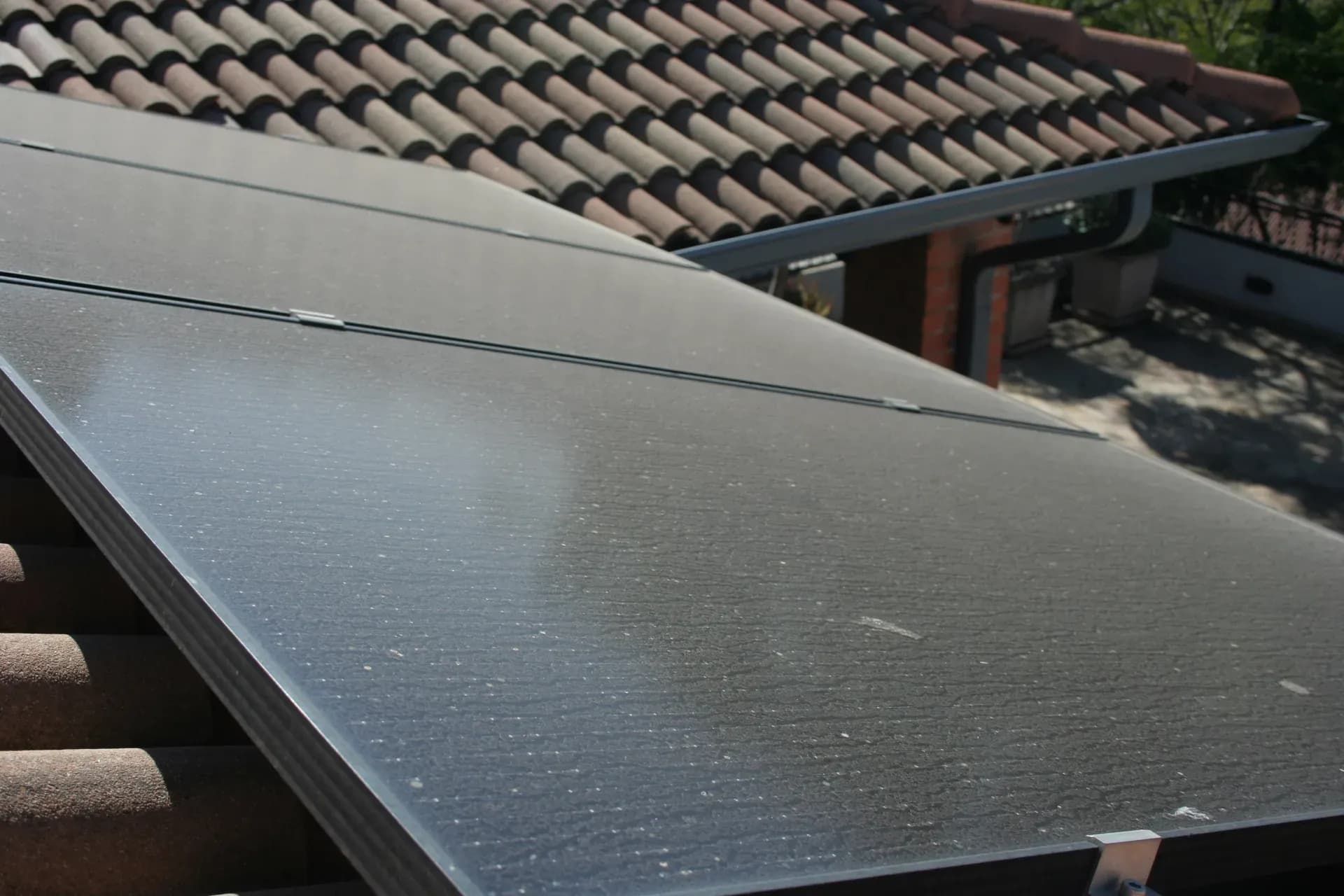
Most Pretoria and greater Gauteng roofs need a professional clean at least twice a year. That is the Highveld baseline: dry winters, wind-blown dust, and soft showers that leave mineral spots instead of rinsing glass clean.
Your own roof may need more. Birds, leafy trees, unpaved roads, construction, and mining all speed up soiling. Equal checklists that score every nearby feature the same way often under-call quiet Highveld homes and over-call suburban roofs near a shopping centre.
Answer seven questions and get a schedule for your roof →
Start with the climate, not a calendar date
On the Highveld, dust accumulates through long dry stretches even when nothing dramatic sits next to the property. That is why a quiet Centurion suburb still belongs on a twice-a-year plan, while a wetter coastal site with the same garden might stretch to an annual clean.
Rain is not a substitute. We have cleaned Waterkloof arrays after heavy winter rain and found a clear half still dirty. Soft Highveld showers rarely remove baked-on dust the way purified water and soft brushes do. See why rain does not clean solar panels.
What shortens the interval
Use surroundings as a planning signal, then confirm with your inverter and what you see on the glass:
| Surroundings | Typical effect | Why |
|---|---|---|
| Quiet Highveld suburb | Twice a year | Dry-season dust is the baseline |
| Leafy trees or heavy gardening | Three times a year | Pollen, sap, and plant matter settle on glass |
| Freeway, unpaved road, or visible dust | Three to four times a year | Traffic soot and kicked-up grit build faster |
| Regular or heavy bird activity | Every 2–3 months | Droppings stick, shade cells, and return quickly |
| Construction, mining, or stacked risks | Every 2–3 months | Particulate loads can undo months of gradual soiling |
A single strong factor can matter more than a long list of mild ones. Heavy bird activity alone often justifies a quarterly rhythm. A mine next to an unpaved road stacks for good reason. Ticking every mild box (airport, shops, nature reserve) should not push a suburban roof into the most aggressive band by itself.
For the narrative ranges we use across Gauteng, see how often to clean solar panels in South Africa. For what soiling can cost in lost output, see how much dirty panels are costing you.
How our schedule tool works
The cleaning schedule tool asks about region, trees, birds, visible dust, roads, nearby activity, and gardening. It returns a plain-language interval (for example twice a year, or every 3 months), names the answers that drove the result, and reminds you to book sooner if output drops or soiling is visible.
It is a planning guide from surroundings, not a yield forecast. Larger commercial and estate arrays still need a scoped quote: crew size, access, and water logistics matter as much as the interval.
What to do with the result
- Note the recommended rhythm and put the next clean on a calendar.
- Compare a sunny week of inverter output to a similar week last season.
- Book sooner after a dust storm, a heavy bird spell, or if the glass looks dull.
- Get an instant residential price, or request a commercial / estate quote for larger sites.
Consistency beats one heroic scrub after years of neglect. Match the schedule to the roof you have, then keep it.